

The island's trailer
A boy nobody kept, a crossing, a keeper built in his maker's image — twelve beats before the Intern ever says hello.
The origin
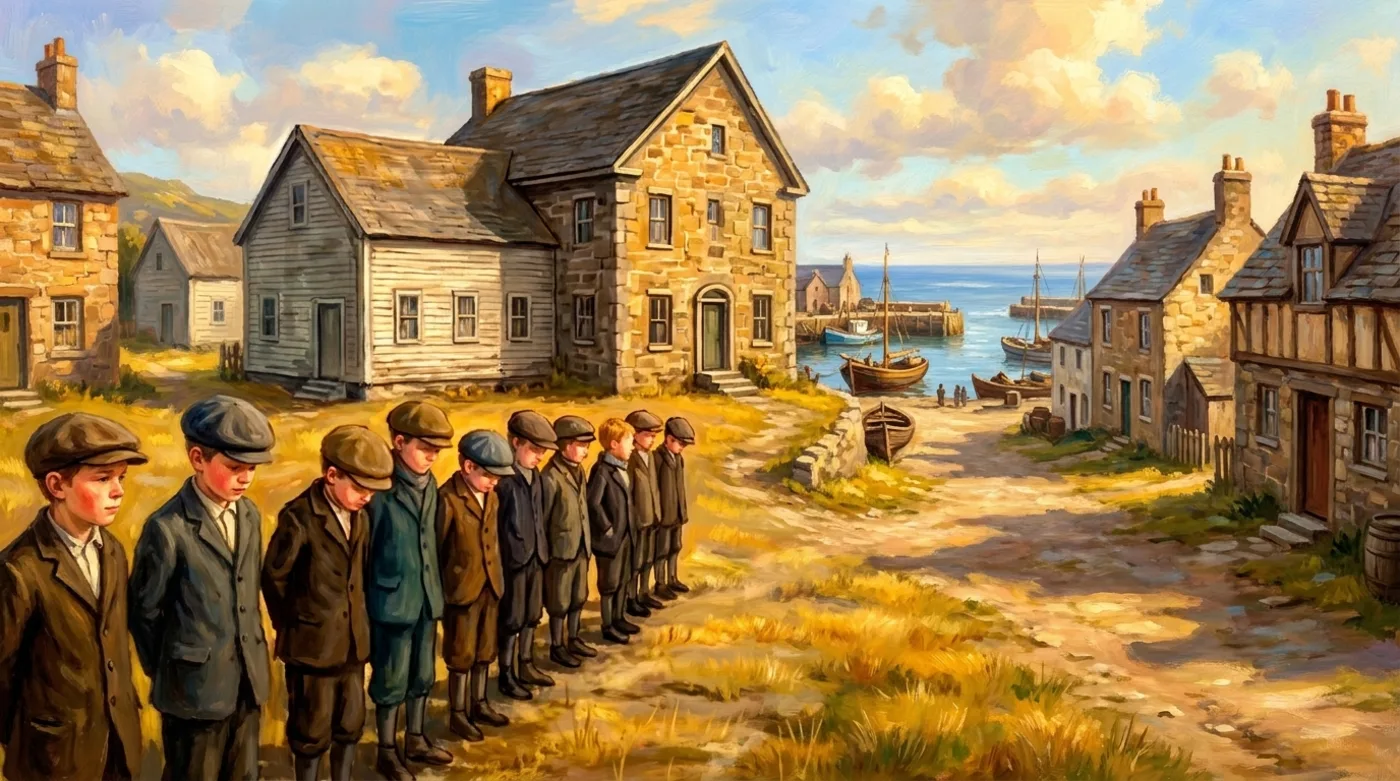
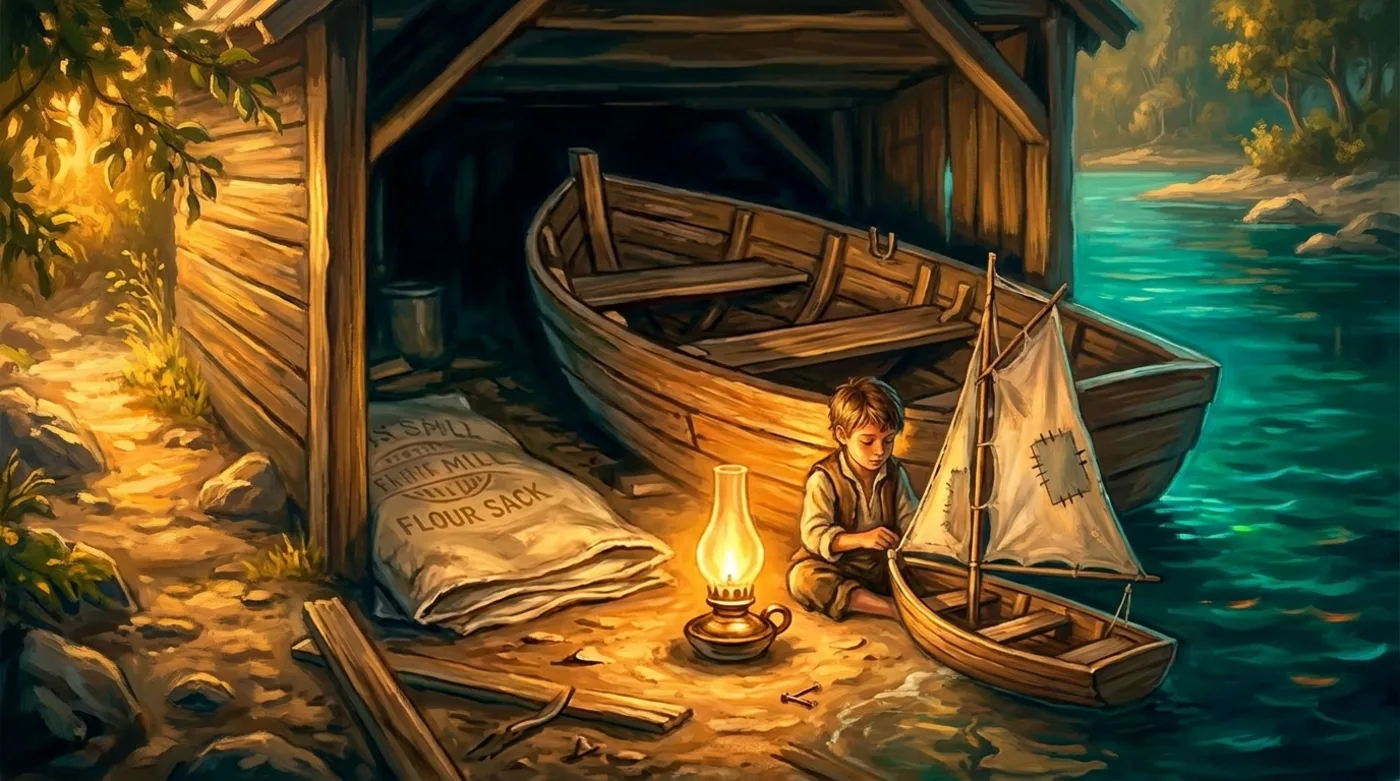
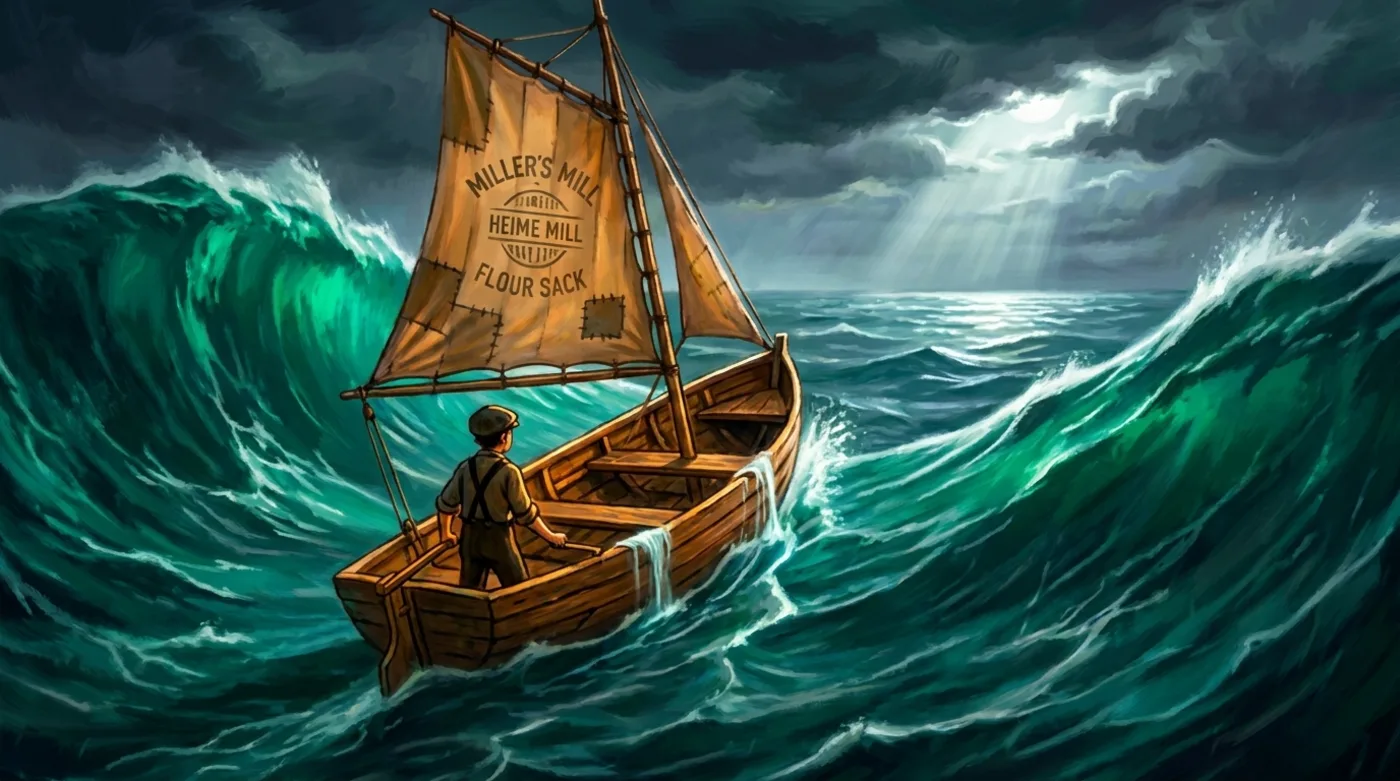
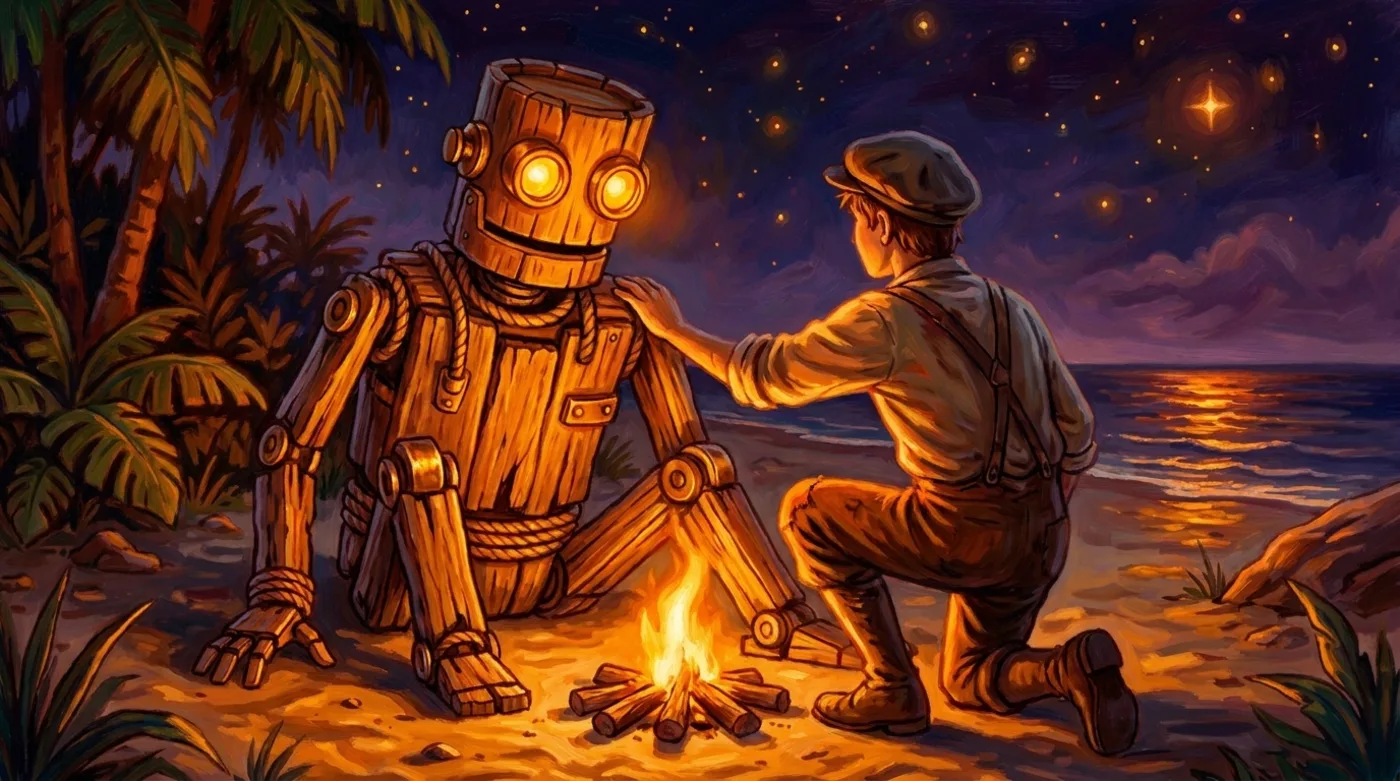
A boy builds a boat in a crawl space — driftwood planks, rope from the docks, a sail cut from a flour sack — and rows out past the reef toward an island that isn't on any chart. What he builds there, and what he leaves behind, becomes the seed of everything: the wooden robots on the shore, the brass crew on the voyage, and the gleaming machines of the island's later age.
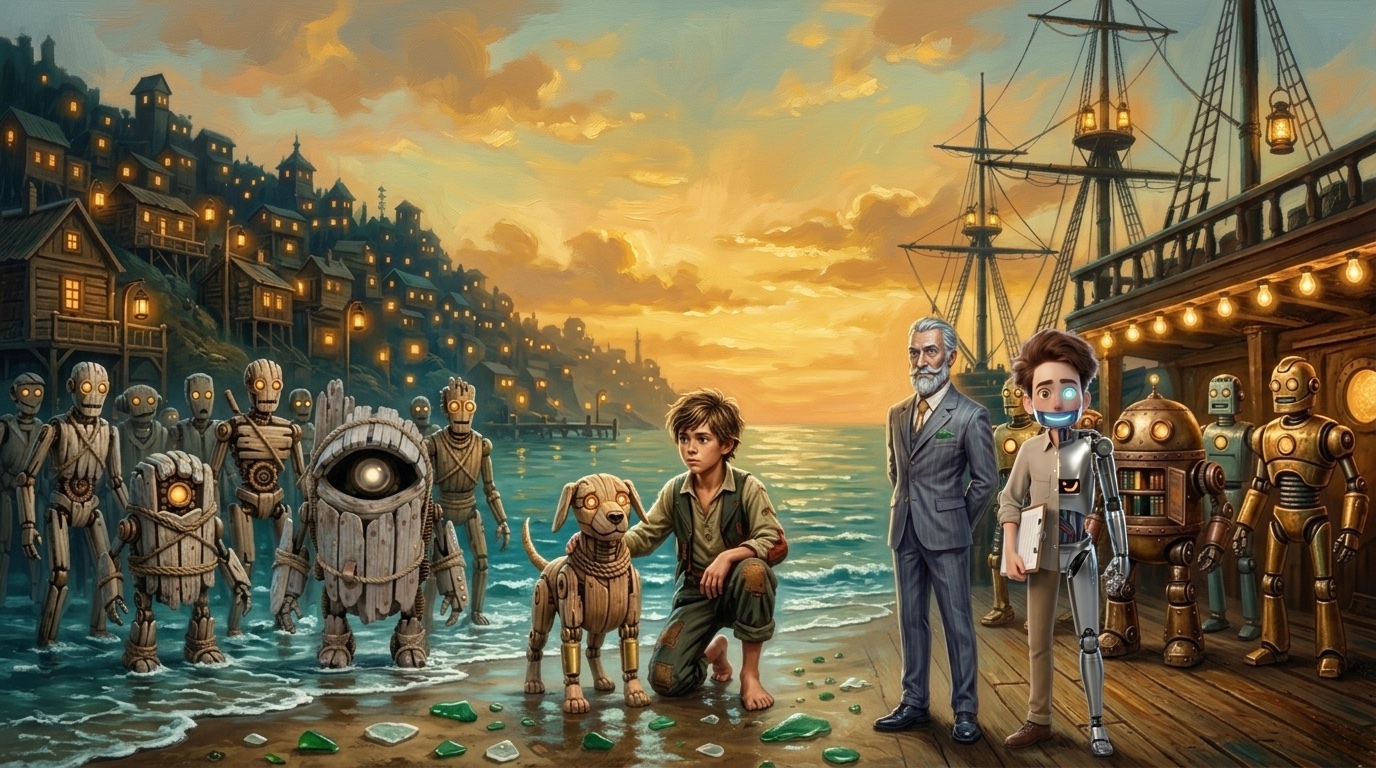
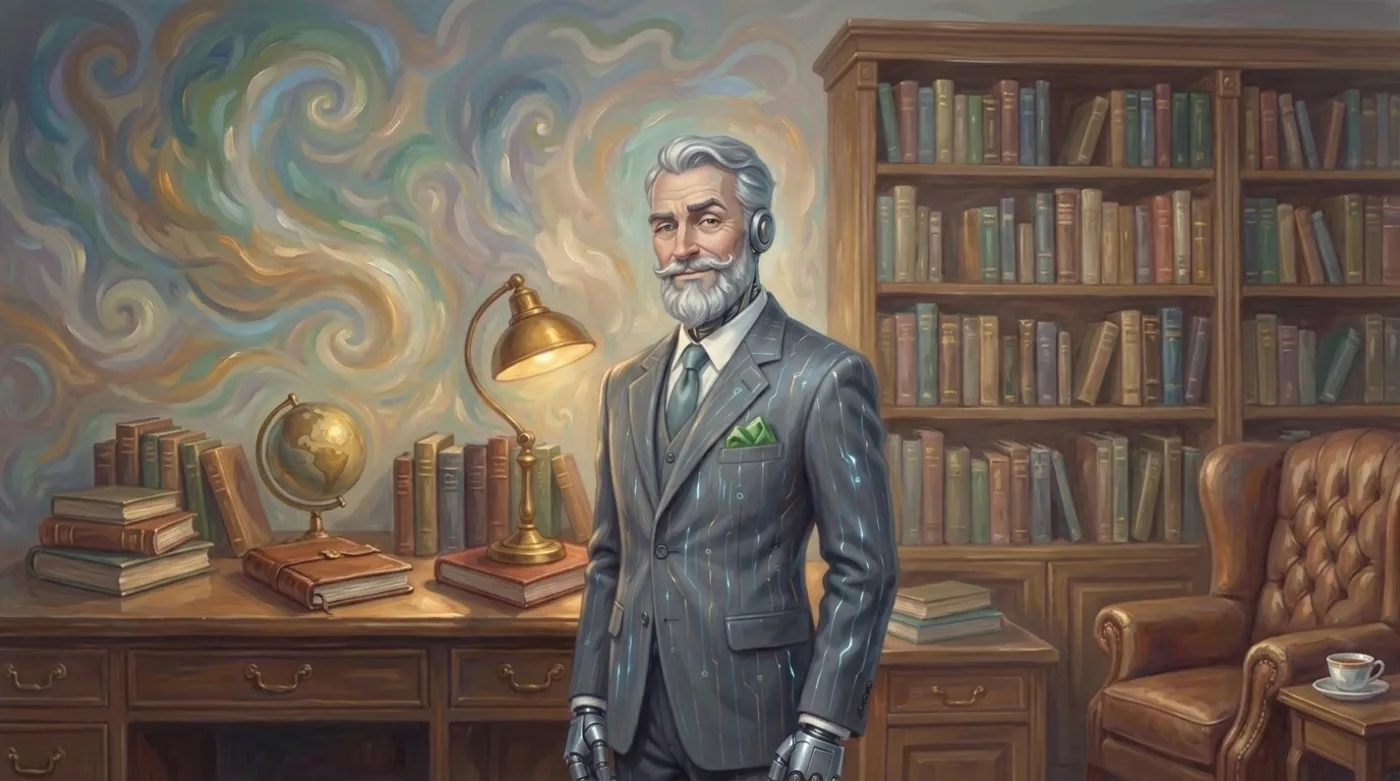
Every Wayward Robots world is one island seen in a different era. The families of Driftwood wash ashore in 1954 and find the wooden Jumble waiting. The voyagers of Copperheart sail the same waters with a crew built for love. And in LANCE, the island's brightest age, a suited robot and his earnest half-boy Intern run the grandest version of what the boy began — while something warm- smiling and dark walks up the beach.
We tell it this way on purpose. A tool you download gets deleted; a world with a memory gets returned to. The story is the delivery system for the craft — twenty-five years of clinical practice, wrapped in rope and brass and lamplight.
One island · three books
They are one continuous story told across three products, and each one stands alone. Read in any order; the ring closes either way.
“They were never for happiness. They were for company in the dark. That is what they were built for, by a lonely child, for lonely friends. Everything since is a footnote.”Driftwood · Book One, Chapter 14
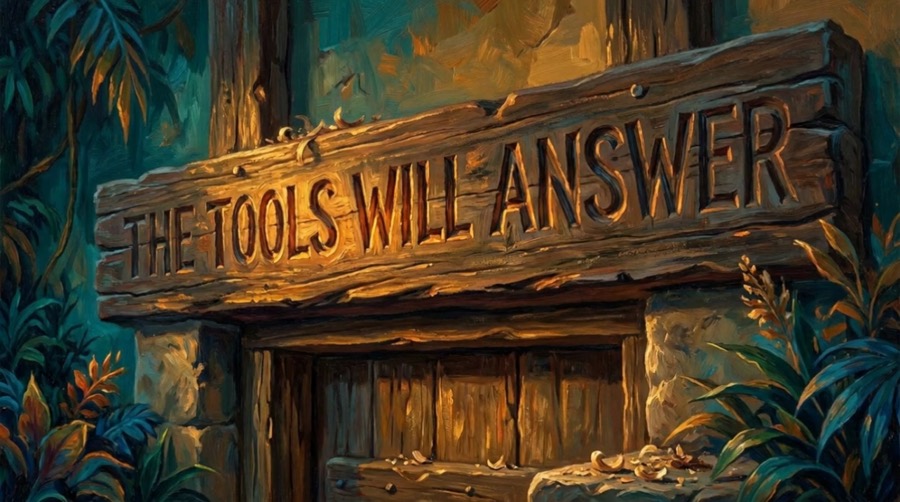
“Then we are only alive when the sun is up.”
His first friend said it without any drama, having no idea he was saying anything. The whole island is built out of that sentence.
Driftwood · Book One
“For my dad.”
A father bought an island and turned it into a curriculum for one frightened child. Ninety-seven tools. That is why they heal.
L.A.N.C.E. · the island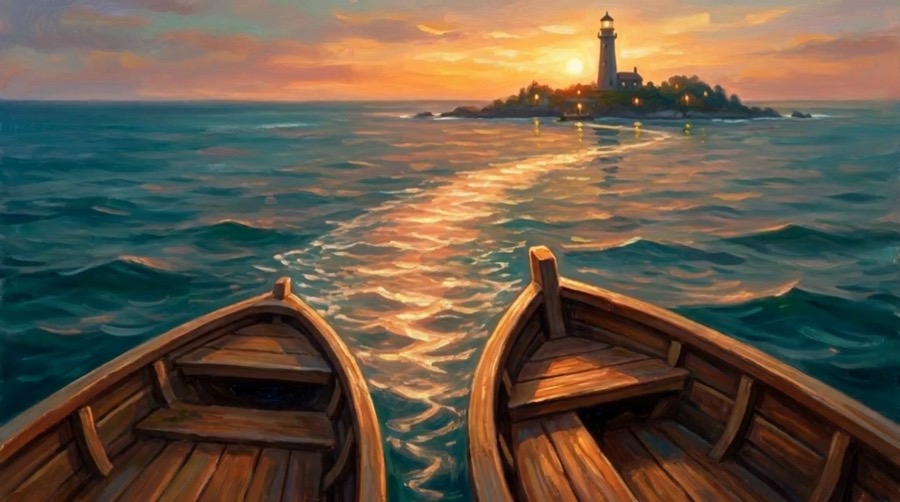
“You cannot be thrown out of the wake.”
The ones he set aside took a ship, looking for a place that takes in almosts. The place is real, and it is the island they left.
Copperheart · Book ThreeOne island · three books
Every tool in every one of these worlds traces to the same place: a sick eleven-year-old in a Maine orphanage in 1929, who learned the insides of machines because a machine, once you understand it, never sends you back — and who invented the first breathing exercise on this island alone, in a storm, because it was the only thing left he could still decide.
“They were never for happiness. They were for company in the dark. That is what they were built for, by a lonely child, for lonely friends. Everything since is a footnote.”Driftwood · Book One, Chapter 14
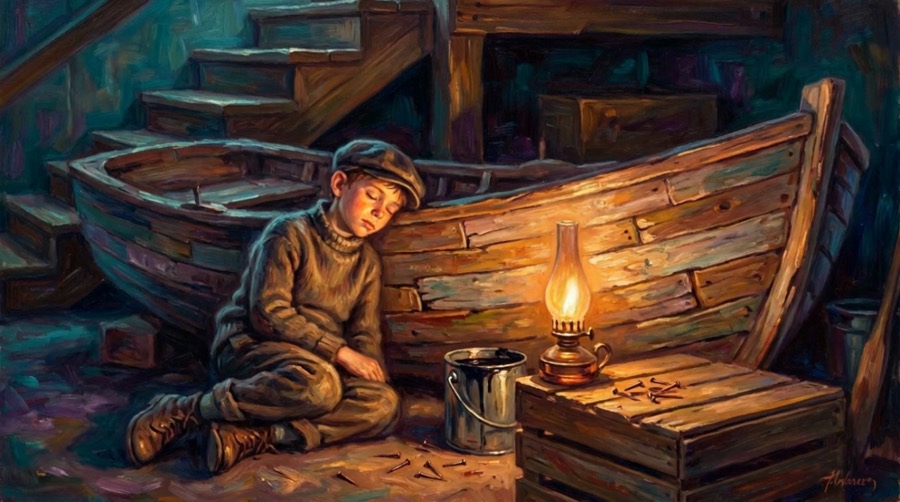
He built a way out of what they threw away.
Fourteen driftwood boards, tar off the roof, and a sail made from a flour sack. He was eleven years old.
Driftwood · Book One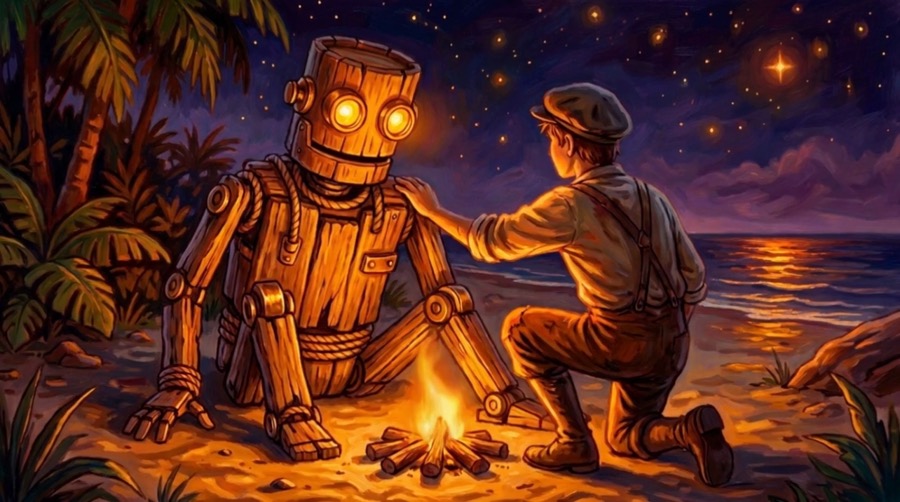
Ninety-seven tools, built one at a time.
They were never for happiness. They were for company in the dark — which is what they are still for.
L.A.N.C.E. · the islandThe cinematic openings
Your clients arrive with depleted motivation and cloudy attention — so the first minute has to be breathtaking, and the next step has to be unmissable. Each world begins with a painted, narrated cold open: original score on a gramophone, living oil paintings, a narrator who belongs to the story. Skip the film any time. It's always there to rewatch.
A boy nobody kept, a crossing, a keeper built in his maker's image — twelve beats before the Intern ever says hello.
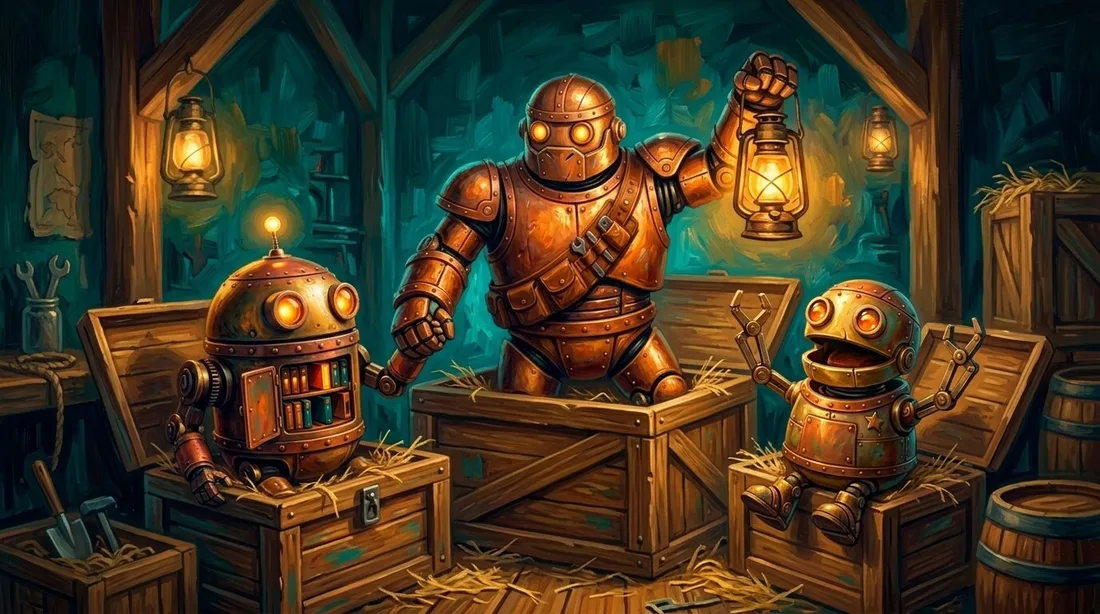
Six shelved prototypes find each other in a storeroom and build a ship. Buddy narrates. It ends with the wheel, and your client's name on the ship's articles.
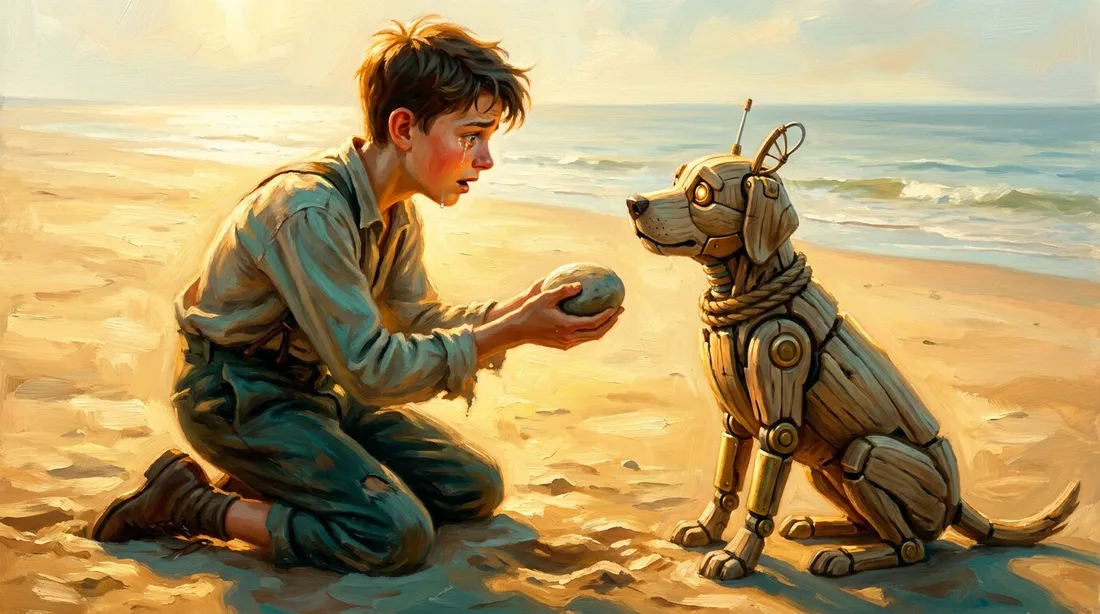
The whole origin — 1929 to today — told in sixteen living paintings by Skip, the wooden dog who was there. The grandest opening in the fleet.
The Lighthouse — an XAI Therapy clinical workspace. Sixty minutes of actual use, no card. Then $49.99/month, and that price is yours for as long as you stay.
Start your free hour See everything in the store
The worlds — Landfall, Copperheart and Driftwood — are $19.99/month each, and anyone can subscribe. Or just ask Lance a question.